
Last month, the CEO of Rheinmetall, Germany’s biggest arms manufacturer, dismissed drone makers in Ukraine as being “Ukrainian housewives”, saying they have 3D printers in their kitchen and make parts for drones. This is supposed to contrast with the exquisite systems produced with German engineering that he can offer.
There is a big problem with these exquisite systems though: they have a price tag to match. For a job like explosive ordnance disposal where robots provide an extra life to the EOD operator, having a very expensive robot means needing to take precautions to safeguard it from harm. The more risk averse you are to losing a robot, the more risk tolerant you have to be of losing a person, which defeats the purpose. Expensive robots need to be protected because you only have one. What we need is cheap robots so that we can tolerate more risk with them.
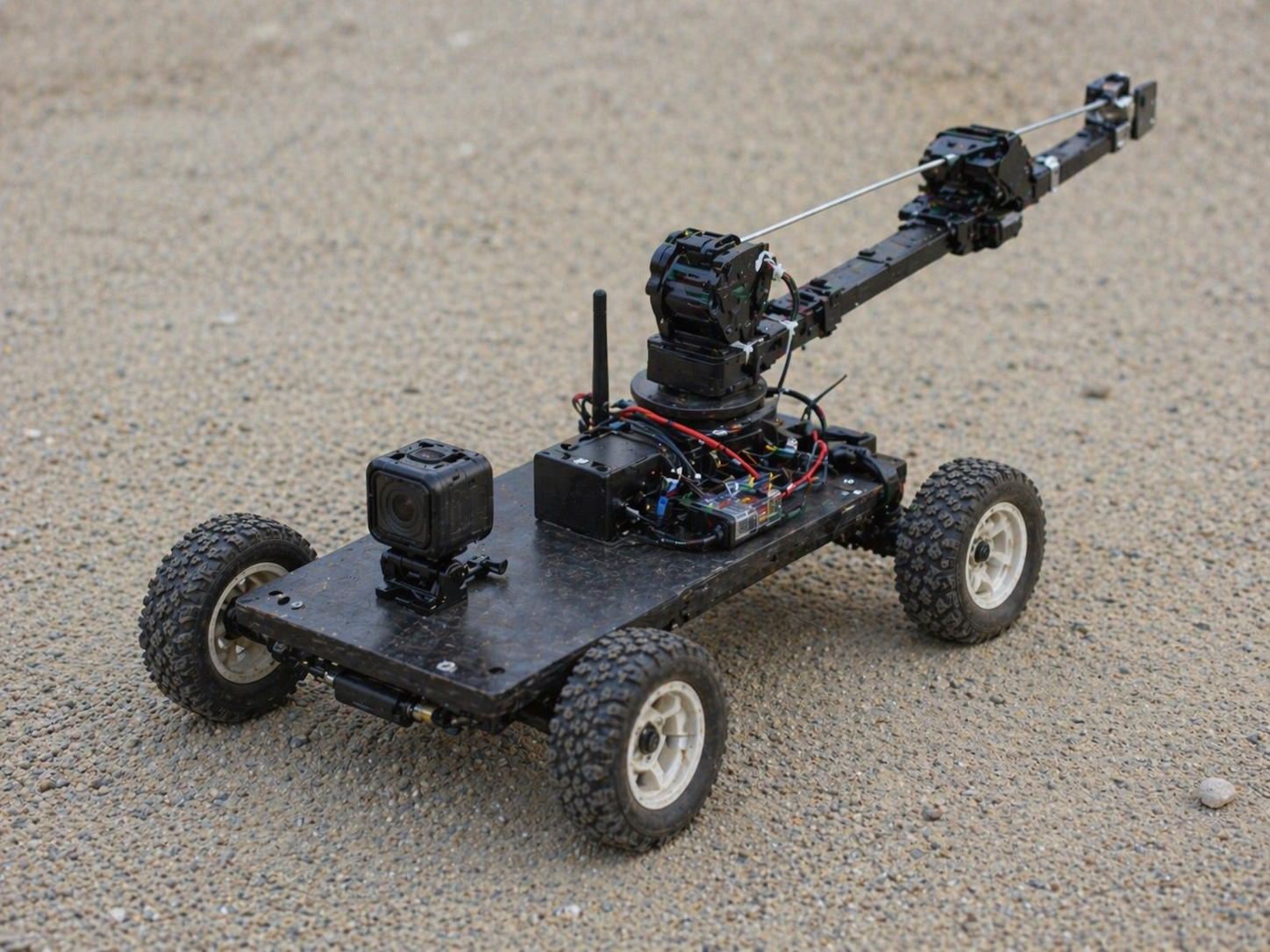
Imagine this: an RC car with a mounting plate on top which allows you to bolt on accessories like cameras, a simple arm, a disruptor, etc. You could have a 3D printed water disruptor screwed on top at the right angle without needing to pay for a remotely operated robot arm. You could place disposal charges by just driving up to it, or test for magnetic influence switching by doing a drive-by with a magnet. Maybe you strap a cheap WiFi band jammer to counter an RC threat from a downed drone. If you lose your RC car, that’s fine, it cost a couple of hundred at most and you have more of them.
This RC car is very cheap and perfectly capable of the simple tasks we require of EOD robots most of the time. But there is actually another advantage which the Ukrainian housewives have over Rheinmetall that we could capture: in-house design and iteration. Right now, our exquisite systems do whatever the procurement contract said they should do plus whatever the manufacturer thought was a good idea at the time of design. If you want the robot to do something different, wait until the current one is obsolete and then a bit more for your organisation to find a replacement.
If disposable robots were made in-house, we could iterate our capabilities at the pace at which we could design them. Most of what we need is primary school level mechatronics and if we happened to have a robotics whizz then we can go even further. I recognise that this creates a training burden on a unit to be able to develop robotics parts but I would say that understanding the digital electronics and mechanical requirements is a highly useful skill to EOD operators regardless.
The expensive systems with incredible capabilities absolutely have their place. The price tag really does buy you something. In a world with incredibly cheap but capable explosive threats, rolling the dice with your one fancy robot on every job is eventually going to come back to bite you. If you have no more robots then you will have to go manual and going manual is dumb.
Leave a Reply